Client intake software should make it easier to understand a new inquiry, decide what happens next, and keep the person from falling through the cracks. Yet many law firms buy a form or a scheduling tool and discover that the handoffs between those tools are still manual.
The right choice is not the product with the longest feature list. It is the one that supports your actual intake path, gives staff a clear working view, and leaves legal judgment with the people qualified to make it.
What is client intake software for a law firm?
Client intake software collects and organizes information from prospective clients before or around a consultation. Depending on the setup, it may support online forms, lead records, qualification questions, appointment booking, reminders, communication history, task assignment, and pipeline reporting.
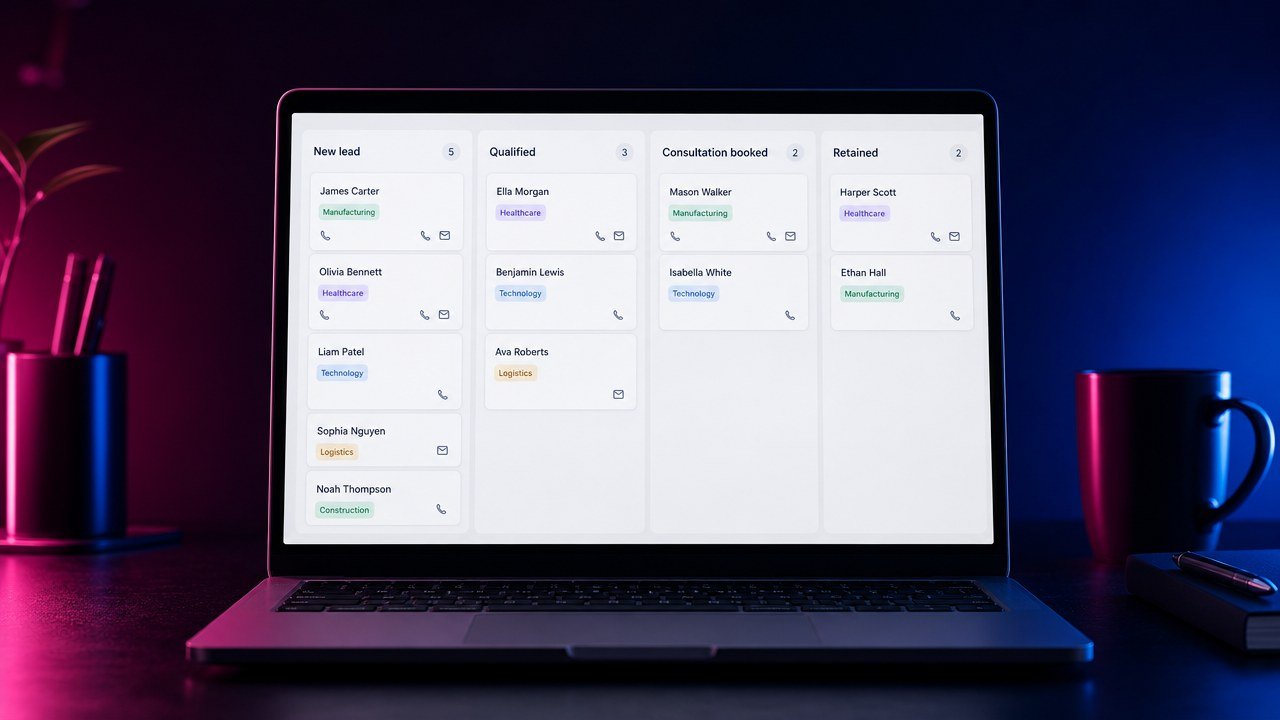
A form alone gathers answers. A useful intake system also makes the next action visible. Staff should be able to tell whether an inquiry is new, waiting for review, ready to schedule, due for follow-up, retained, or no longer active.
Start with the process, not the demo
Before comparing software, write down how intake works today. Follow one real inquiry from the moment it arrives until the firm either schedules a consultation, closes the opportunity, or decides it is not a fit.
Ask these questions:
- Where can a new inquiry enter: phone, website form, chat, referral, or another channel?
- Who sees it first, and how quickly can they identify that it needs attention?
- What information must be collected before a person reviews the matter?
- Who decides whether to offer a consultation?
- How does the person book, reschedule, or cancel?
- What happens when the prospect is not ready to book on the first day?
- Where is the reason recorded when an opportunity is closed or disqualified?
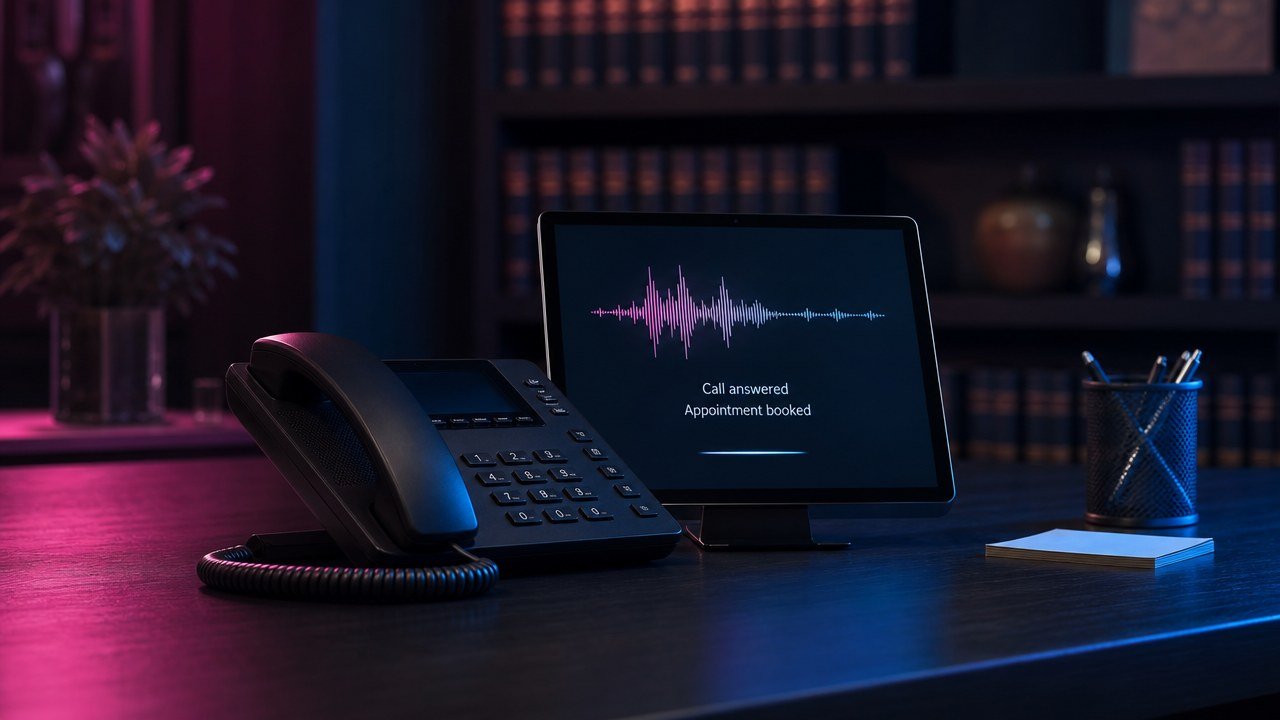
This map reveals the points where software can help. It also exposes decisions that should remain human. If calls are a major entry point, our AI receptionist and answering service comparison explains how to evaluate coverage, handoffs, and caller experience.
Form usability belongs in that process review. The U.S. Department of Justice’s web accessibility guidance highlights clear headings, keyboard access, text cues, and manual testing as practical considerations for public-facing websites. Include the intake form, validation messages, and booking flow in that review.
Seven capabilities worth evaluating
1. Inquiry capture
The system should create a usable record from the channels your firm actually relies on. Check what happens when information is incomplete or arrives twice. Duplicate records can be just as disruptive as missing ones.
2. Flexible intake questions
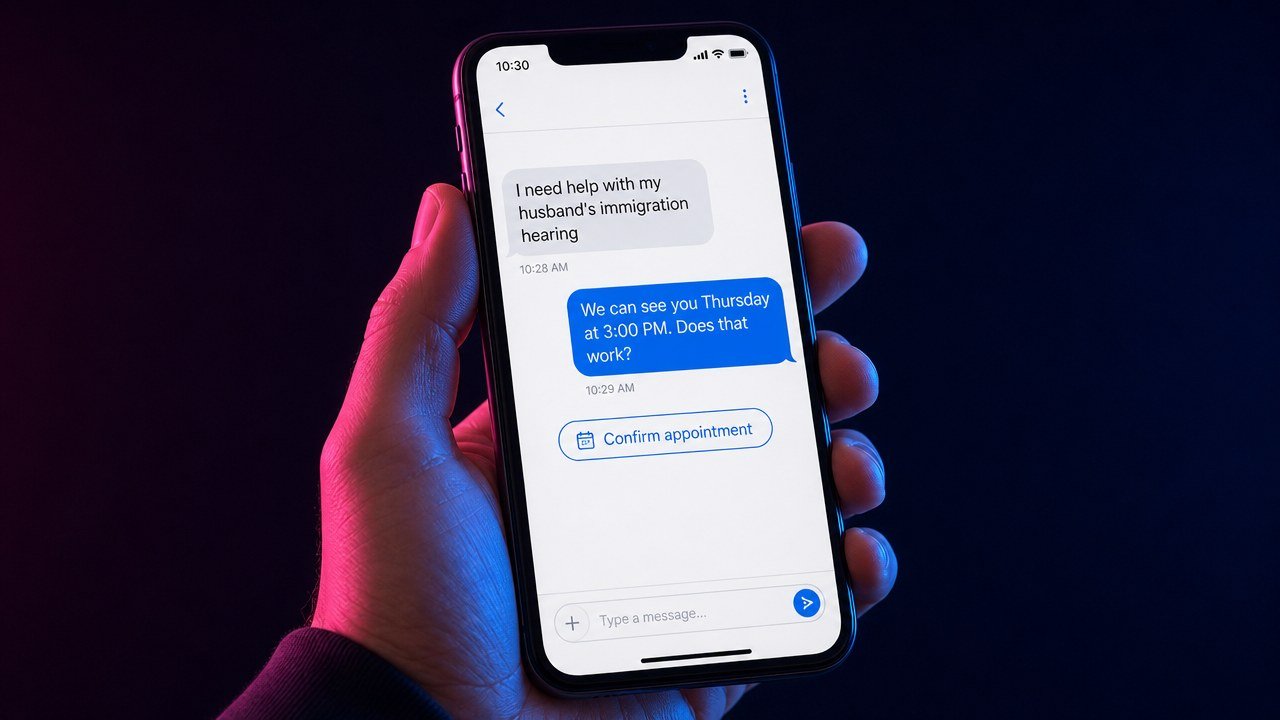
Initial questions should collect enough information for the next decision without asking for unnecessary detail. Immigration law firms, for example, may need different intake paths for different inquiry types. The software should support that structure without pretending that a form can determine legal eligibility.
3. Ownership and routing
Every active inquiry needs a visible owner or queue. Look for a clear answer to “who is responsible now?” and a practical escalation route when the usual person is unavailable.
4. Scheduling
Booking should reflect the firm’s real consultation rules. Review availability, confirmation, rescheduling, reminders, time zones, and what happens when a prospect is not yet cleared to book.
5. Follow-up
Useful follow-up is timely, relevant, and easy to stop when circumstances change. Evaluate how the software handles unanswered inquiries, no-shows, longer decision cycles, and human takeover. Our guide to law firm marketing automation covers the triggers, stop conditions, and human review that make follow-up accountable. More messages are not automatically better.
6. Pipeline visibility
A pipeline should show the stages your team uses, not force the firm into someone else’s terminology. Staff should be able to spot new inquiries, overdue actions, booked consultations, and closed outcomes without building a report from scratch.
7. Reporting
At minimum, leadership should be able to review inquiry source, movement between stages, response and follow-up patterns, consultation outcomes, and the reasons opportunities leave the active pipeline. Reports are only trustworthy when staff use stages consistently.
Client intake software versus a CRM
The categories overlap. Intake software can focus narrowly on forms, questionnaires, and onboarding. A law firm CRM usually provides a broader view of the prospective-client relationship, including source, communication, scheduling, follow-up, and pipeline status.
If your main problem is collecting structured information, a focused intake tool may be enough. If the gaps appear between capture, response, booking, and follow-up, a connected CRM is more likely to address the whole path.
Questions to ask in a software review
- Can we model our current stages before changing them?
- What happens when automation is uncertain or a person needs help?
- Can staff see why a record moved or a message was sent?
- How are permissions and access handled for different roles?
- Can we turn off an automation without losing the underlying record?
- What training and ongoing ownership will our team need?
- Which reports are available from actual stage history?
- How will this connect with tools we intend to keep?
Technology review is also part of professional competence. Comment 8 to the ABA’s Model Rule 1.1 says lawyers should stay current on the benefits and risks of relevant technology. Firms should also check the rules and ethics guidance that apply in their jurisdiction.
Common buying mistakes
Buying for the ideal workflow instead of the real one. A system that ignores current staffing and decision points will be difficult to adopt.
Automating qualification decisions too early. Software can collect and organize information. Attorneys and trained staff should control legal and sensitive judgments.
Treating every inquiry the same. Different sources and circumstances may require different questions, urgency, and handoffs.
Ignoring the closed stages. Clear lost and disqualified reasons improve reporting and keep inactive records from cluttering the active pipeline.
Skipping ownership. A reminder without an accountable person can still be ignored.
A practical next step
Choose one common inquiry path and document its stages, decisions, delays, and owners. Then evaluate software against that map. RLM’s immigration law firm intake analysis shows how the intake problem can appear in a specific legal context without assuming the same workflow fits every firm. For the acquisition work around that process, see our approach to law firm marketing.
If the gap involves intake, follow-up, scheduling, and pipeline visibility together, book a strategy call to discuss whether Rocket Reach fits the process you already have.