Law firm marketing automation should make routine follow-up more reliable without making prospective clients feel processed. That balance starts with a simple question: which steps are repetitive and rules-based, and which steps depend on judgment, empathy, or legal knowledge?
A good automation plan does not begin with a list of features. It begins with the inquiry journey and the places where legitimate prospects wait, repeat themselves, or disappear because nobody can see the next action.
What is law firm marketing automation?
Law firm marketing automation uses software to perform defined communication and workflow steps around lead generation and prospective-client follow-up. It can include recording a new inquiry, assigning a task, acknowledging receipt, offering a booking path, sending a reminder, or flagging a stalled opportunity for staff review.
Marketing automation is not legal service delivery. It should not decide whether someone qualifies for representation, provide legal advice, or hide a sensitive situation behind a generic sequence.
Map the journey before building anything
Choose one common inquiry source and draw the actual path from first contact to consultation. Include the delays and exceptions, not just the ideal steps.
- Entry: Where does the inquiry arrive?
- Ownership: Who is responsible for the first review?
- Information: What is needed for the next decision?
- Qualification: Which parts are factual collection, and which require human judgment?
- Scheduling: When should a booking option appear?
- Follow-up: What happens if the person does not respond or book?
- Closure: How are retained, lost, and disqualified outcomes recorded?
This map becomes the specification. Without it, automation tends to reproduce the firm’s confusion at greater speed. Our guide to choosing client intake software gives you a fuller checklist for capture, ownership, scheduling, and reporting.
Work that is often suitable for automation
Acknowledging a new inquiry
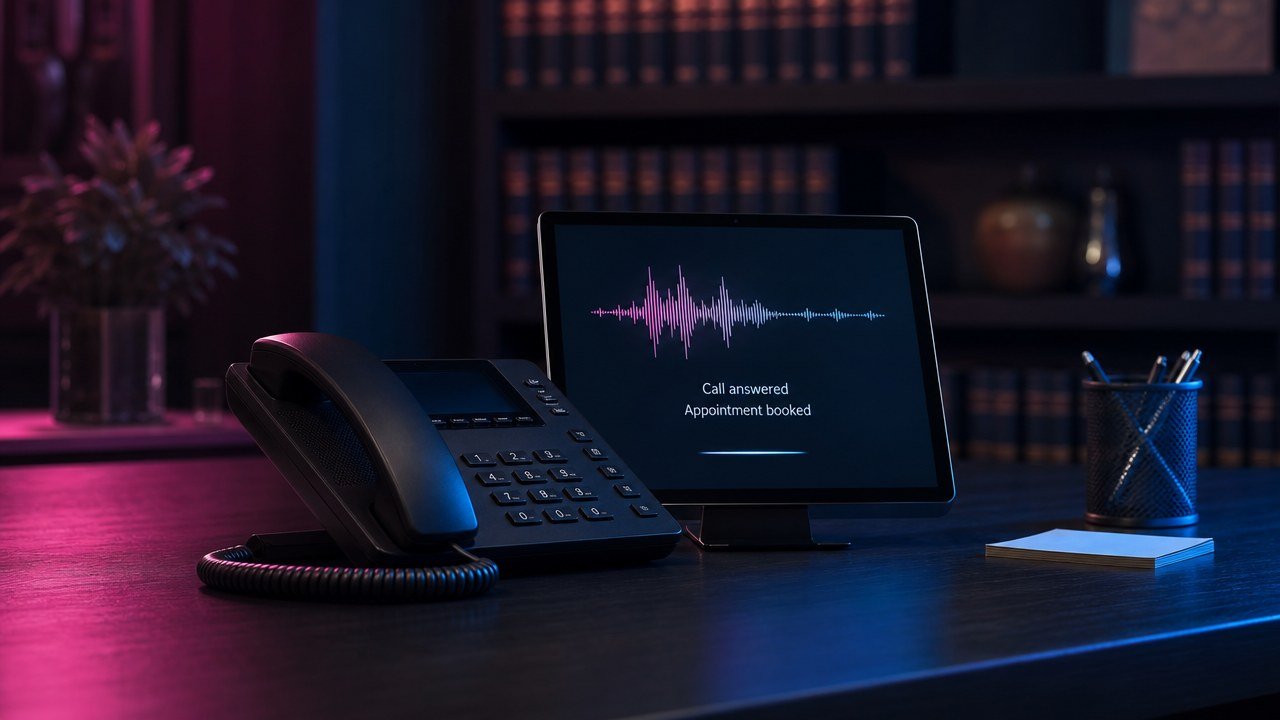
A short confirmation can tell the person that the inquiry was received and explain the next step. It should not suggest that an attorney-client relationship exists or that the firm has accepted the matter. For phone inquiries, compare the handoff and fallback options in our AI receptionist and answering service guide.
Creating and assigning an intake record
Software can place the inquiry in the correct pipeline, record its source, and notify or assign the responsible team member. The record needs an owner, not just a tag.
Requesting missing basic information
For clearly defined fields, a follow-up can ask the person to complete an intake form. Keep the request proportionate and give the person another route if the form does not fit their situation.
Consultation scheduling and reminders
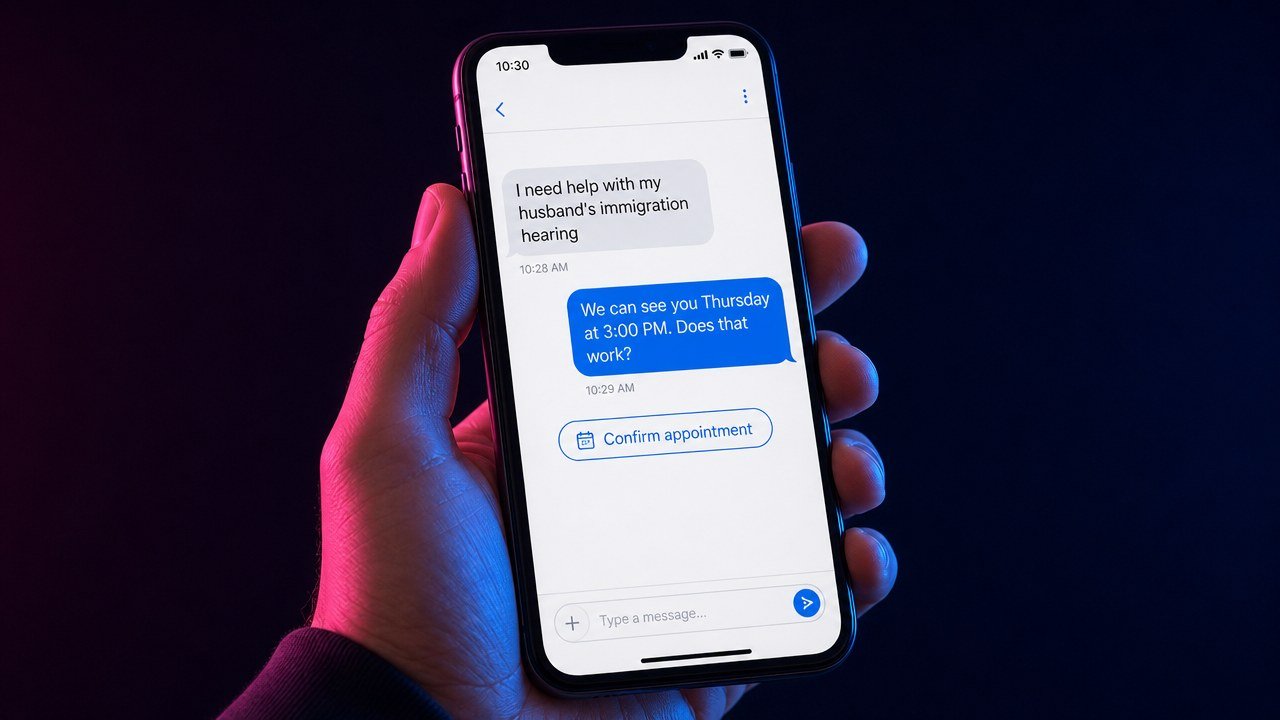
Once the firm’s rules allow booking, automation can provide availability, confirmations, reminders, and rescheduling instructions. Staff should be able to intervene when the standard path is not appropriate.
Routine nurture
Some legitimate prospects need time. A measured follow-up sequence can keep the firm present, but it should stop when the person replies, opts out, is disqualified, or moves to a different stage.
For automated outbound calls or texts, consent and opt-out design require a separate legal review. The FCC’s 2024 consent revocation order addresses reasonable revocation methods and stopping covered communications after a valid request. Have qualified counsel review the specific channels, message types, and jurisdictions involved.
Pipeline housekeeping
Automation can flag records with no next action, surface overdue tasks, and support consistent stage changes. It should not silently disqualify ambiguous leads based on invented criteria.
Work that should stay human
- Legal advice and analysis
- Eligibility or case-strength decisions
- Review of unusual or conflicting facts
- Urgent and sensitive escalation
- Final decisions about whether the firm will offer representation
- Empathetic conversations where context matters more than speed
- Approval of messaging, consent rules, and firm policy
Automation should make these human moments easier to identify and prepare for. It should not obscure them. The ABA’s Formal Opinion 512 is a useful starting point when generative AI is involved because it discusses competence, confidentiality, communication, supervision, and review. Firms still need to follow the rules and guidance that apply in their jurisdiction.
Five signs an automation needs redesign
People receive messages after the situation changes. Stage movement and replies should stop irrelevant follow-up.
Staff cannot explain why a message was sent. The trigger and record history should be visible.
The same person receives overlapping sequences. Entry rules and exclusions need review.
Automation creates work with no owner. A task that belongs to everyone often belongs to no one.
Exceptions have nowhere to go. Every automated path needs a human review or fallback state.
CRM makes automation accountable
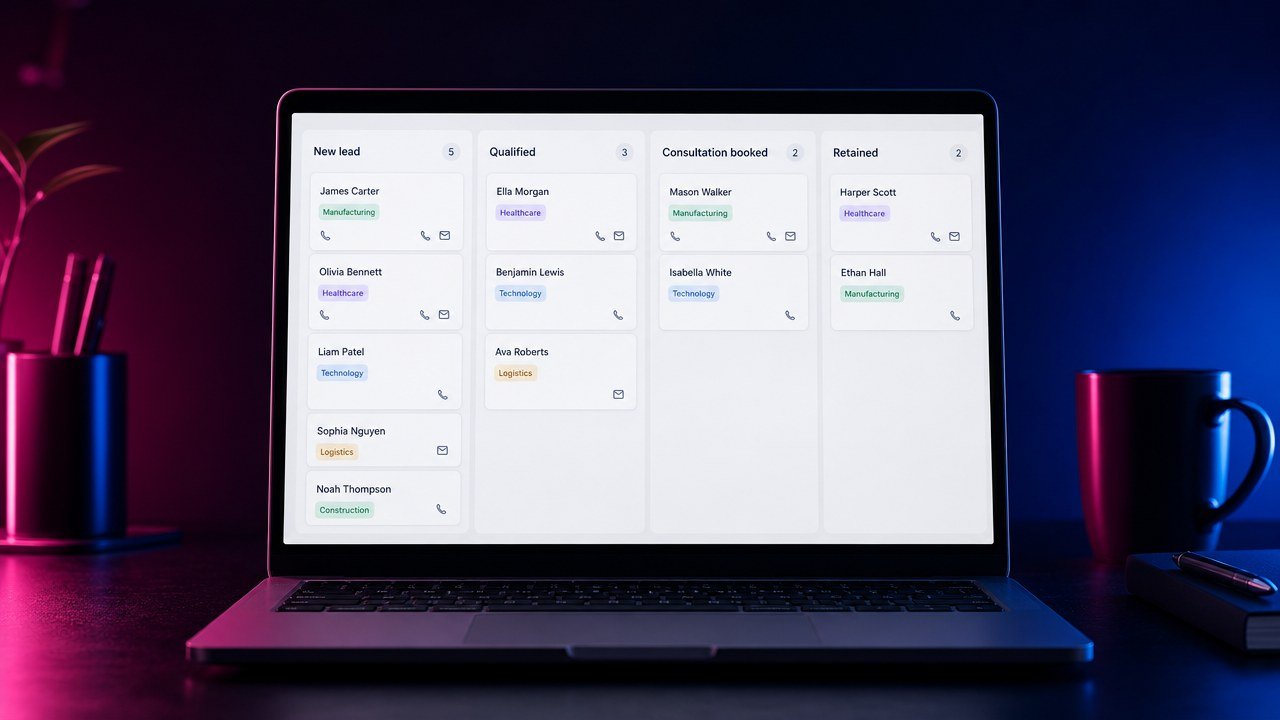
Automated messages are only one part of the system. A law firm CRM connects the message to the inquiry, pipeline stage, source, staff owner, booking status, and next action. That context lets a team see whether automation is helping or merely generating activity.
Rocket Reach brings intake, communication, scheduling, lead nurturing, and pipeline visibility into one working view. Features should be configured around the firm’s approved process rather than activated simply because they exist.
A practical governance checklist
- Name an owner for every automation.
- Document the trigger, exclusions, stop conditions, and fallback.
- Keep draft workflows inactive until content and logic are approved.
- Test with controlled records, not real outreach.
- Review replies and exceptions after launch.
- Check that stage changes persist and reporting remains understandable.
- Revisit the workflow when staffing, intake rules, or offers change.
How this applies to immigration law firms
Immigration firms may handle varied inquiry types, languages, timelines, and documentation needs. Automation can help collect initial information, route a record, offer an approved next step, and keep follow-up visible. It should not infer eligibility or urgency without the firm’s human review.
Our immigration law firm intake analysis explores the operational stakes in more detail.
Start with one broken handoff
Do not automate the entire intake journey at once. Choose one visible problem, such as inquiries that never receive an assigned next action or qualified prospects who fail to book. Define the rule, owner, exception, and measure of success. Then review the real records before expanding.
If you want to connect those handoffs to a broader law firm marketing plan and decide where Rocket Reach fits, book a strategy call.