Lawyers get clients from four places: people who are searching for a lawyer right now (Google, Google Business Profile, directories), people who need a lawyer but have not searched yet (Meta and video ads, social), people who ask an AI assistant which firm to call (ChatGPT, Google AI Overviews), and referrals from past clients and other professionals. The firms that grow pick two of those, put a real budget behind them, and fix intake so every inquiry gets a human reply within minutes. One immigration firm we work with turned $1,663.12 in Meta ads into 535 leads and 174 consultations that way. The channel mattered less than the fact that someone answered.
Below is what actually produces signed cases for a small or mid-sized law firm in 2026, in the order we would spend money, with the immigration numbers we have published as proof.
Where do law firm clients actually come from?
Every client arrives through one of four doors. Search: someone types “immigration lawyer near me” or “green card attorney” and calls the firm that shows up with reviews and a working phone. Interruption: someone scrolling Instagram or YouTube sees an attorney answer the exact question they have been worrying about and sends a message. AI referral: someone asks ChatGPT or Google which firm to hire and gets a short list. Human referral: a past client, a CPA, a real estate agent, or another lawyer sends them over. Most firms lean on the fourth door because it is free, then wonder why growth stalls when the referral well runs dry. The first three doors scale. The fourth one does not. A firm that wants predictable new cases needs at least one paid door and one organic door open at all times, plus a system that catches what comes through.
What is the fastest way to get clients as a lawyer?
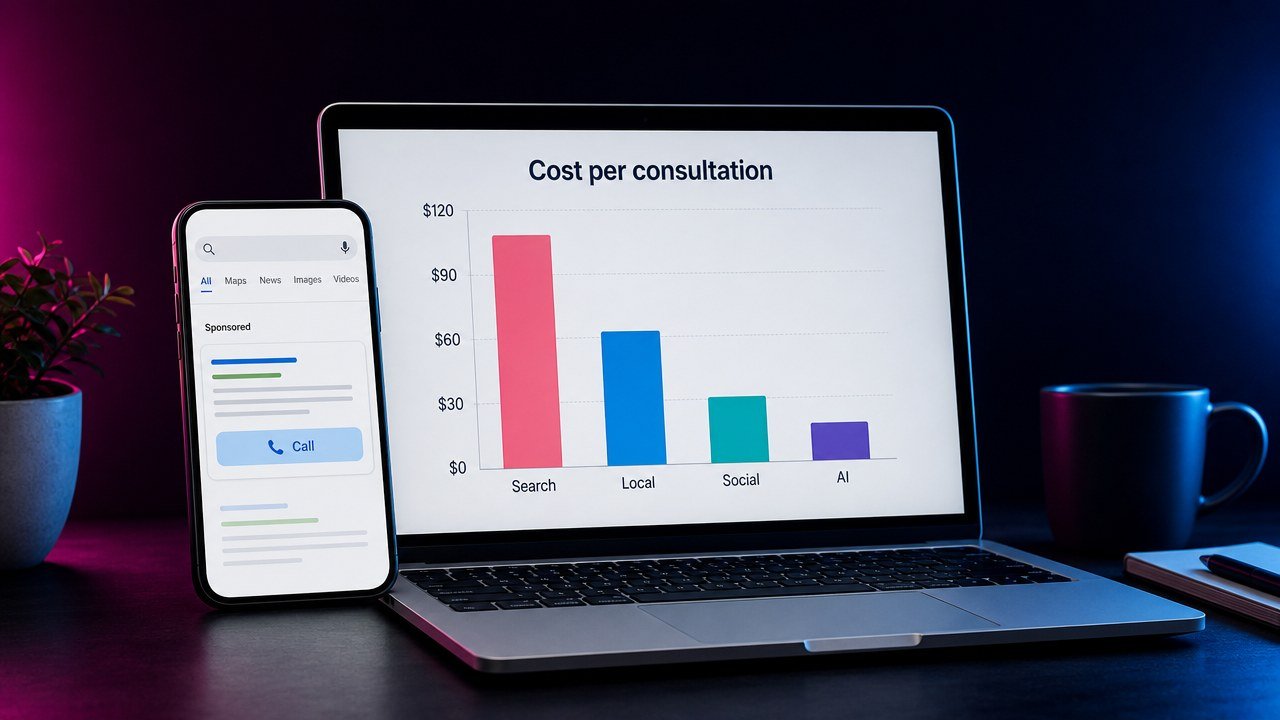
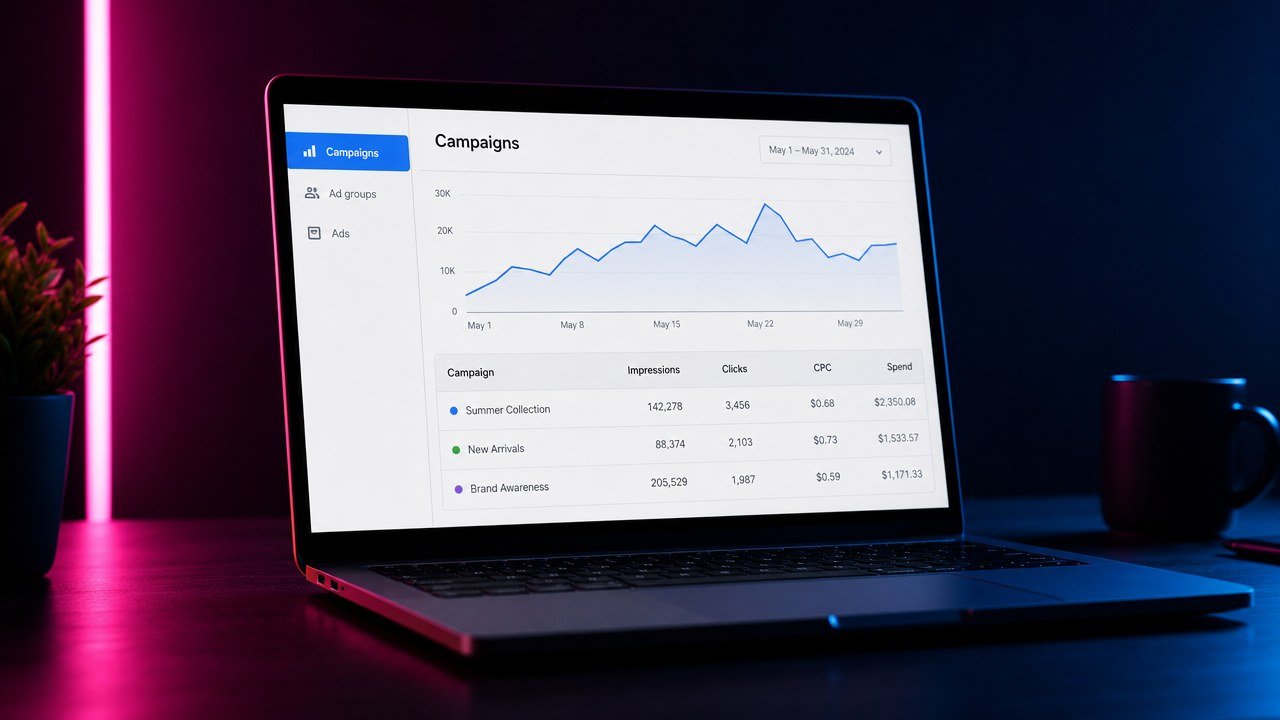
Paid search and Google Local Services Ads are the fastest, because the person is already looking. You can have calls coming in within a week of launching. The trade-off is cost: immigration search clicks commonly run $5 to $40 each, and the firm has to answer the phone when it rings or the click is wasted. Meta ads are the second fastest and usually cheaper per consultation, because you are reaching people before they start comparing firms. In our published Meta case study, an immigration firm spent $1,663.12 and got 535 leads and 174 booked consultations. A separate campaign produced $187,750 in signed cases from $6,906 in ad spend. Those numbers came from simple vertical videos of the attorney answering one question, not from polished brand ads. Our law firm advertising breakdown ranks every channel by cost per consultation if you want the full comparison.
How do lawyers get clients without paying for ads?
Three organic sources carry most of the weight: Google Business Profile, a website that answers real client questions, and short video. Google Business Profile is the biggest free lever for a local practice. One immigration firm we work with took its profile from an afterthought to 560 calls in five months by setting the right primary category, listing every service, writing the description in every language the firm serves, adding real photos, and building review requests into intake. The field-by-field setup is public. The website works when each page answers one question a client would actually type, in plain language, with the attorney’s name on it. Short video works when the attorney talks to the camera about one worry the client already has. None of this is fast. Expect three to six months before organic produces a steady flow, which is why we pair it with one paid channel.
Why do law firms with plenty of leads still struggle to sign clients?
Because the leads die between arrival and a human conversation. We audited one immigration firm’s CRM and found 576 leads that received only 88 phone calls and 48 human texts. 85% of booked consultations never got a human call or text before the appointment. That firm did not have a marketing problem. It had an answering problem. The fix is a seven-step intake process: capture every inquiry in one place, reply within minutes in the lead’s language, ask one qualifying question, book a short screening call in that same conversation, hold a consultation that ends with a clear next step, sign the retainer the same day, and follow up for 90 days with the people who did not book. We wrote the whole thing out, scripts included, in our law firm client intake guide. If you fix nothing else this quarter, fix this.
How do you get clients from ChatGPT and AI search?
AI assistants recommend firms the same way a careful friend would: they look for a clear specialty, real proof, and independent mentions. In practice that means saying plainly who you serve (“we only handle immigration cases in Texas”), publishing case results and pricing ranges instead of hiding them, keeping a named attorney with credentials on every page, and getting listed on third-party directories and review sites so the AI has sources other than your own website. We have watched ChatGPT send people to our own immigration pages and then to the contact form the same day, so this channel is real, even if it is small today. It also compounds with everything above: the same answer-first pages that rank in Google are the ones AI assistants quote. Our SEO and AI search page covers the specifics for immigration firms.
What should a new or solo lawyer do first?
In order: pick a niche narrow enough to be the obvious choice (immigration, not “general practice”), claim and fully build your Google Business Profile, set up one place where every call, text, and form lands so nothing is missed, then put a modest test budget into one paid channel for 60 days. Do not spread $1,000 across five platforms. Do not buy shared leads from a vendor that sells the same name to four firms. Do not hire an agency before you can answer the phone within five minutes during business hours. A simple CRM and an AI receptionist or answering service for after-hours will do more for a solo firm in month one than any ad campaign.
Which channels should a law firm skip?
Billboards, TV, radio, shared-lead vendors, and most paid directories rarely earn their cost for a small firm. Billboards and TV build name recognition for firms that already have a large budget and a large intake team. Shared-lead vendors sell the same inquiry to several firms, so you are racing three competitors to the phone for a lead that may not even match your practice. Paid directory placements can work in some markets, but the free listing usually gets most of the value. Put that money into Google Business Profile, one paid channel you control, and the intake system that answers it.
Frequently asked questions
How long does it take to get clients as a new lawyer?
With paid search or Meta ads and a working intake process, the first consultations typically arrive within two to four weeks. Organic sources like Google Business Profile and website content usually take three to six months to produce a steady flow.
What is the cheapest way for a lawyer to get clients?
A fully built Google Business Profile with steady reviews is the cheapest reliable source for a local practice. Referrals are free but unpredictable. Among paid channels, Meta video ads have produced the lowest cost per consultation in our immigration campaigns.
Do lawyers need a CRM to get clients?
Not to get them, but to keep them. A CRM like Rocket Reach is where inquiries land, get a reply within minutes, get booked, and get followed up with for 90 days. Firms without one lose most of their leads before a human ever talks to them.
Should a law firm advertise on Facebook and Instagram?
Yes, if the firm can answer leads quickly and the attorney is willing to appear in short videos. Meta ads reach people before they start comparing firms, which is why they are often cheaper per consultation than search. They fail when nobody answers the messages.
How do law firms show up in ChatGPT recommendations?
By stating a clear specialty, publishing case results and pricing ranges, naming the attorney on every page, and earning mentions on third-party directories and review sites. AI assistants cite independent sources, so a website alone is not enough.
Does niching down really bring more clients?
Yes. A firm that only handles immigration is the obvious call for an immigration client, ranks for narrower terms with less competition, and gets recommended by AI assistants that look for a clear specialty. General-practice positioning competes with everyone and wins nothing.
If you run a law firm and want to see what these numbers look like for your market, our case studies show the actual ads, spend, and results from the immigration campaigns above.